If you are shopping for a Naples waterfront condo as a second home or investment, the view is only part of the story. What looks simple from the balcony can come with very real questions about flood exposure, condo reserves, rental rules, beach access, and marina rights. The good news is that when you know what to review before you buy, you can make a much more confident decision. Let’s dive in.
Why Naples Waterfront Condos Stand Out
Naples continues to attract second-home buyers and investors who want a coastal lifestyle with low-maintenance ownership. As a broad market backdrop, the NABOR February 2026 market snapshot reported 6,447 properties in inventory, 1,527 new listings, 718 closed sales, a median closed price of $647,500, and 91 days on market across Collier County excluding Marco Island.
Within that larger market, waterfront condos usually command a premium for one simple reason: access. In Naples, buyers are often choosing among Gulf-front or beach-access buildings, bayfront properties connected to Naples Bay, and marina-adjacent communities that appeal to boaters and seasonal owners.
That premium is not just about the water view. In this market, ownership costs can also be shaped by insurance, flood-zone exposure, and association maintenance obligations, so your true cost of ownership may look very different from the list price alone.
Know the Main Waterfront Options
Gulf-front and beach-access buildings
If your goal is easy beach time and strong seasonal appeal, Gulf-front and beach-access condos are often the first place to look. These properties can offer direct waterfront views or convenient proximity to the shoreline, but beach access details matter more than many buyers expect.
The City of Naples beach access update notes that 30 of the city’s 40 beach access points are being restored and beach-end seawalls are being replaced. That means the address, current access conditions, and nearby construction activity should all be verified before you assume a building offers the beach experience you want.
Naples Pier is another well-known waterfront landmark on the Gulf at the west end of 12th Avenue South. If you plan to spend time there or use nearby public access points, it also helps to know that beach parking requires a permit or pay-by-space, according to the same City of Naples beach access information.
Bayfront condos on Naples Bay
For buyers who want a boating lifestyle close to downtown, Naples Bay can be a strong fit. These properties often appeal to second-home owners who want quick access to restaurants, marinas, and a more lock-and-leave setup without giving up the waterfront feel.
The Naples City Dock sits on Naples Bay near downtown and helps illustrate what this part of the market offers. City Dock services include fuel, pump-out, ice, bait, charters, transient dockage, annual dockage, and a mooring field, which makes the bayfront lifestyle appealing for many boaters.
Still, there is an important distinction here. A waterfront address does not automatically mean guaranteed slip access, and the City Dock notes that annual dockage is on a waiting list, so buyers should always confirm whether a condo includes deeded dock rights, lease options, marina privileges, or no boating access at all.
Marina-adjacent resort-style communities
Some Naples waterfront condos are especially attractive to second-home buyers because they combine water access with a more managed, hospitality-style experience. In these communities, the condo itself may be just one part of a broader amenity package.
For example, Naples Bay Resort & Marina advertises direct Gulf access, marina slip rentals, concierge and valet services, a spa, a fitness center, tennis courts, multiple pools, dining, and shuttle service. That kind of setup can be appealing if you want a second home that feels easy to enjoy without taking on the upkeep that often comes with a single-family waterfront property.
What Amenities Really Mean for Buyers
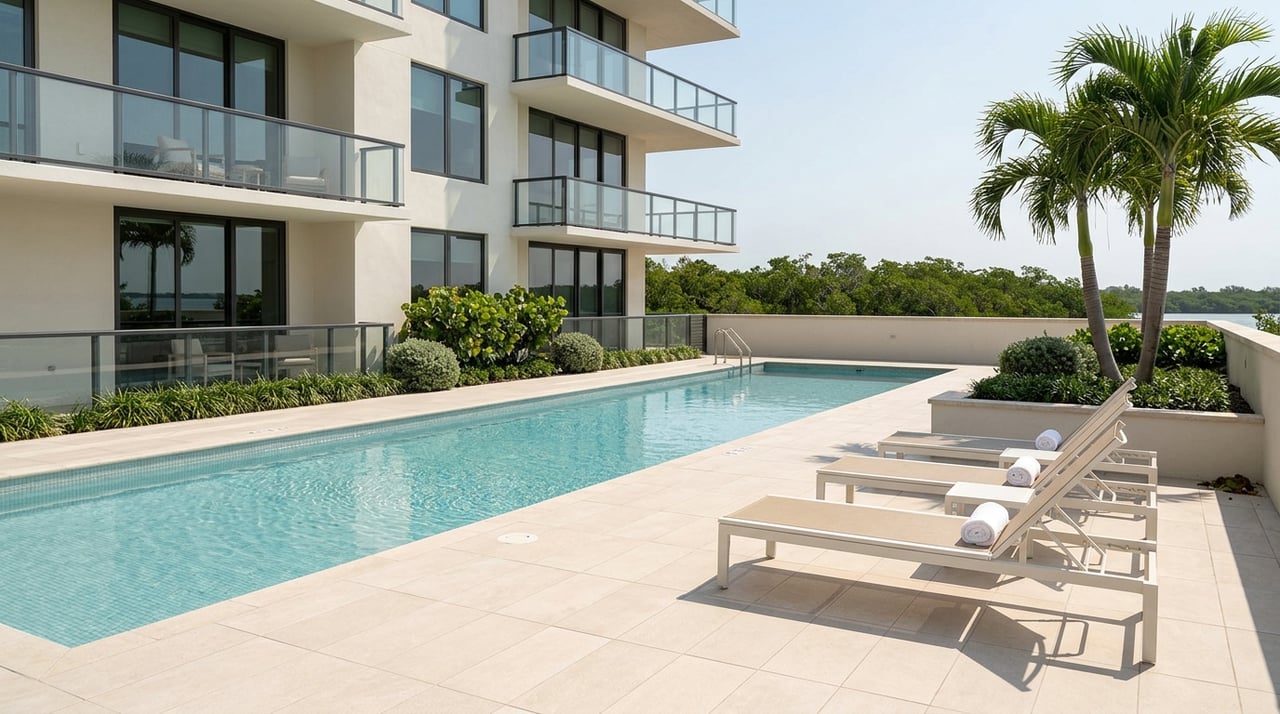
Amenities can help a waterfront condo feel more like a vacation property, but they should also be reviewed through a practical lens. A beautiful pool deck, marina, or shuttle service may support your lifestyle goals, yet those same features can also influence HOA dues and long-term maintenance costs.
For second-home buyers, this often comes down to convenience. If you want low-hassle ownership, concierge-style services, on-site fitness, and managed common areas may be worth paying for.
For investors, the analysis is a little different. You will want to look beyond the brochure and ask whether the building’s amenities align with likely renter demand, current operating costs, and any association restrictions that could affect use or income.
Look Beyond Price to Total Ownership Cost
One of the biggest mistakes waterfront condo buyers make is focusing too much on purchase price. In Naples, the better question is what the condo will cost you to own, carry, and use over time.
A waterfront building may have higher costs because of flood insurance requirements, reserve funding, ongoing exterior maintenance, and age-related repairs. That is especially true in older coastal buildings where structural reviews and reserve planning have become much more important.
For second-home and investment buyers, property taxes are another factor. According to the Florida Department of Revenue homestead exemption guidance, homestead-related benefits are tied to a permanent residence, so vacation and investment condos typically do not receive that same tax treatment.
Florida Condo Rules Matter More Than Ever
Milestone inspections
If you are considering an older waterfront condo building, state inspection rules should be part of your due diligence from day one. Under Florida Statute 553.899, residential condo and co-op buildings that are three habitable stories or higher must complete milestone inspections at age 30 and every 10 years after that.
Local officials can require the first inspection at age 25 when local conditions justify it, including proximity to salt water. If phase one identifies substantial structural deterioration, a second phase of testing may follow.
For Naples waterfront buyers, this is especially relevant because many desirable buildings are older and close to the coast. The inspection timeline can affect both budget planning and your comfort level with the asset.
Reserve studies and future costs
Reserve funding is just as important as inspections. Under Florida Statute 718.112, applicable associations must complete a Structural Integrity Reserve Study, or SIRS, covering major items such as the roof, structural system, fireproofing and fire protection systems, plumbing, electrical systems, waterproofing and exterior painting, windows and exterior doors, and other high-cost deferred maintenance items.
Why does this matter to you? Because reserves can directly affect HOA dues, special assessments, and how financially prepared a building is for future repairs.
Florida law also limits reserve-waiver flexibility for required items in applicable associations and allows funding through assessments, loans, or lines of credit. In plain English, a condo that looks attractive at first glance may still carry meaningful future costs if reserve funding is weak or capital projects are pending.
Required disclosures
Before you sign, you should also review the condo documents that Florida requires associations to provide in applicable situations. Under Florida Statute 718.503, buyers must receive the milestone-inspection summary, any turnover inspection report, and the association’s most recent SIRS when required.
These documents can influence your decision, your negotiation strategy, and even the timing of the closing. They are not paperwork to skim over. They are some of the most useful tools you have for understanding risk.
Flood Zones and Insurance in Naples
Flood exposure is a core issue for waterfront ownership in Collier County. According to Collier County floodplain management FAQs, VE, AE, AH, and A zones are special flood hazard areas where mandatory flood insurance applies for federally backed mortgages.
By contrast, X and X500 zones are not mandatory-insurance zones, although flood claims can still happen there. The same county guidance also notes that all buildings in the county are eligible for federally backed flood insurance.
This is why address-level verification matters so much. Naples flood-zone tools are parcel-specific, so you should confirm the exact property rather than assume the flood exposure based on a neighborhood name or how close the condo appears to the water.
Another key point is that standard homeowners coverage does not include flood damage. Florida’s condo contract disclosure language specifically warns buyers about this and encourages separate flood insurance.
Rental Rules Can Shape Your Investment Plan
If you are buying with rental income in mind, Naples can work, but only if your projections match the actual rules. In the City of Naples FAQ guidance, a house or condominium may generally be rented for less than 30 days only three times per calendar year. After that, the minimum rental term is 30 days, and the property cannot be advertised for less-than-30-day rentals.
That single rule can change an investment model in a major way. If you are expecting frequent short stays, the address may not support that plan.
Location matters outside the city too. In unincorporated Collier County, short-term vacation rentals require registration, but properties inside the City of Naples are exempt from that county program.
Then there is the condo association itself. Under Florida Statute 718.110, amendments that prohibit renting, change rental duration, or limit rental frequency apply only to owners who consent or who purchase after the amendment takes effect, which is why the declaration, bylaws, and rules are just as important as city or county ordinances.
Smart Questions to Ask Before You Buy
If you are comparing Naples waterfront condos for second-home or investment use, a few questions can help you cut through the marketing quickly:
- What type of waterfront is this: Gulf-front, beach-access, bayfront, or marina-adjacent?
- What are the exact beach, dock, or marina access rights tied to the unit?
- Is the building subject to milestone inspections, and when was the last one completed?
- Has the association completed its SIRS, and what does the reserve funding plan show?
- Are there pending special assessments or major capital projects?
- What flood zone is the exact parcel in, and what insurance may be required?
- What are the city, county, and association rental rules for this address?
- Does the building’s amenity package match your actual goals for personal use, rental appeal, or both?
These questions help you move from “nice condo” to “sound purchase.” That shift is where many of the best buying decisions are made.
Why Specialized Guidance Helps
Second-home and investment purchases often involve more moving parts than a primary residence. You may be buying remotely, comparing seasonal-use options, evaluating rental restrictions, or coordinating a cross-border closing.
That is where specialized experience can make the process smoother. The National Association of REALTORS® notes that the RSPS certification is designed for professionals who specialize in buying, selling, or managing investment, retirement, second-home, and resort or vacation properties, while CIPS supports transnational and international business.
For Naples waterfront condos, that kind of knowledge is useful because the decision is rarely just about price per square foot. It is about total ownership cost, legal use rights, and how well the property fits the lifestyle or investment strategy you actually want.
If you are weighing waterfront condo options in Naples, the right guidance can help you compare buildings, review the fine print, and avoid expensive surprises. When you are ready to talk through your goals, connect with Donna Pyle for a personalized consultation.
FAQs
What should second-home buyers review before buying a Naples waterfront condo?
- You should review the building’s milestone inspection status, reserve study, HOA fees, possible special assessments, flood-zone exposure, insurance needs, and the exact access rights tied to the condo.
Can Naples waterfront condos be rented short term for investment income?
- In the City of Naples, a house or condominium may generally be rented for less than 30 days only three times per calendar year, and condo associations may have stricter rental rules.
Do waterfront condos in Naples always include boat slips or dock access?
- No. A waterfront location does not automatically guarantee a deeded slip or marina access, so you should confirm exactly what rights, if any, come with the unit.
Why are condo reserves important for Naples investment buyers?
- Reserve funding can affect HOA dues, special assessments, and the building’s ability to pay for major repairs, which directly impacts your long-term ownership costs.
Do second-home buyers get Florida homestead tax benefits on a Naples condo?
- Usually no. Florida homestead-related benefits apply to a permanent residence, so second homes and investment properties typically do not qualify for the same tax treatment.
How do buyers verify flood zones for a Naples waterfront condo?
- You should verify the exact parcel using address-based flood-zone tools and review whether the property falls in a special flood hazard area such as VE, AE, AH, or A.