Torn between the River District’s waterfront energy and the quiet, extra space of Fort Myers’ suburbs? You are not alone. If you are relocating or right-sizing, choosing the right setting shapes your daily routine, budget, and long-term plans. In this guide, you will get a clear side-by-side look at lifestyle, housing types, prices, commutes, and practical risks so you can decide with confidence. Let’s dive in.
Downtown vs suburbs at a glance
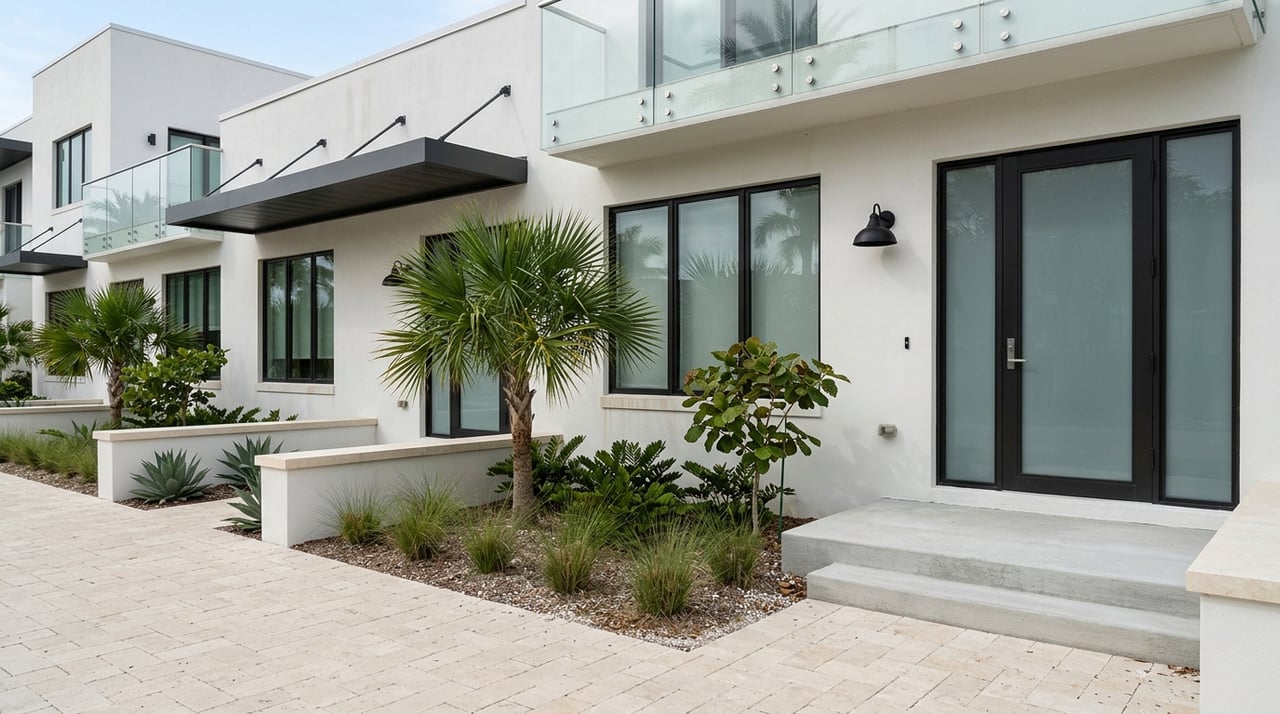
Living in downtown Fort Myers centers you in the River District’s walkable core, with brick streets, riverfront promenades, and a dense mix of dining, arts, and events. The area is actively planned and promoted as the city’s cultural heart, with frequent markets and festivals that keep evenings lively. You can explore the city’s vision and initiatives on the River District through the Community Redevelopment Agency’s overview of the Downtown redevelopment area.
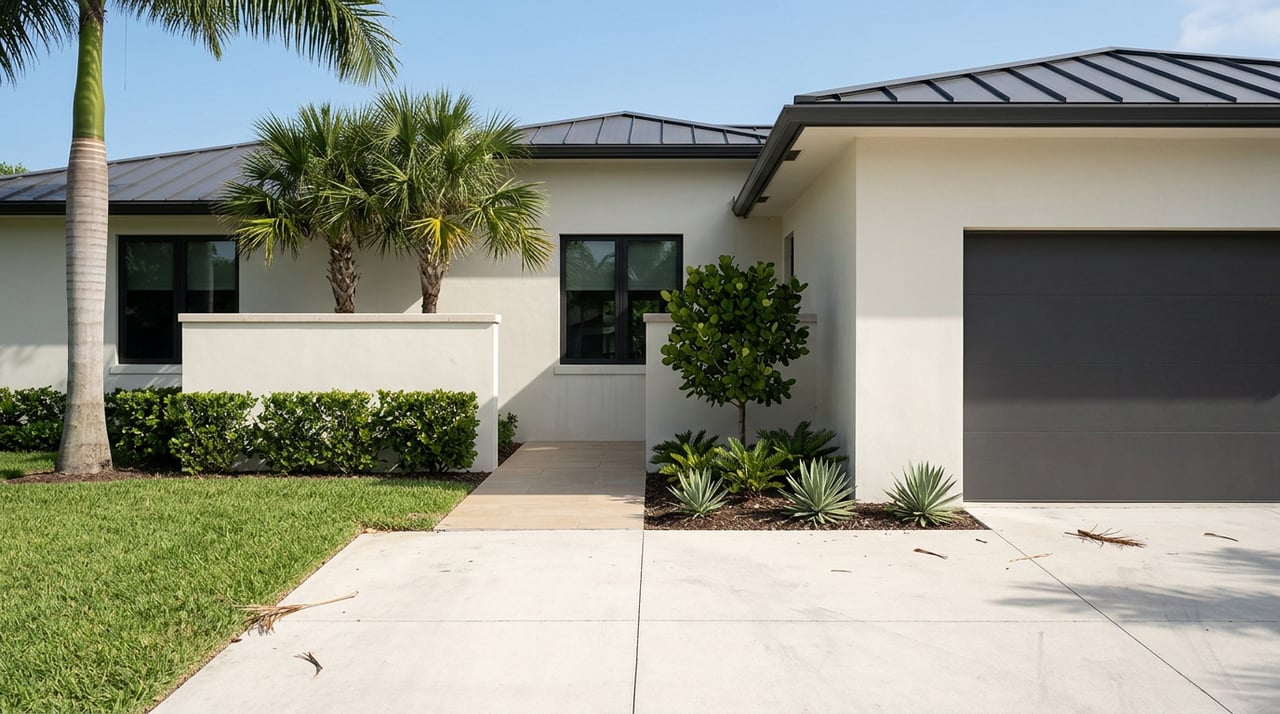
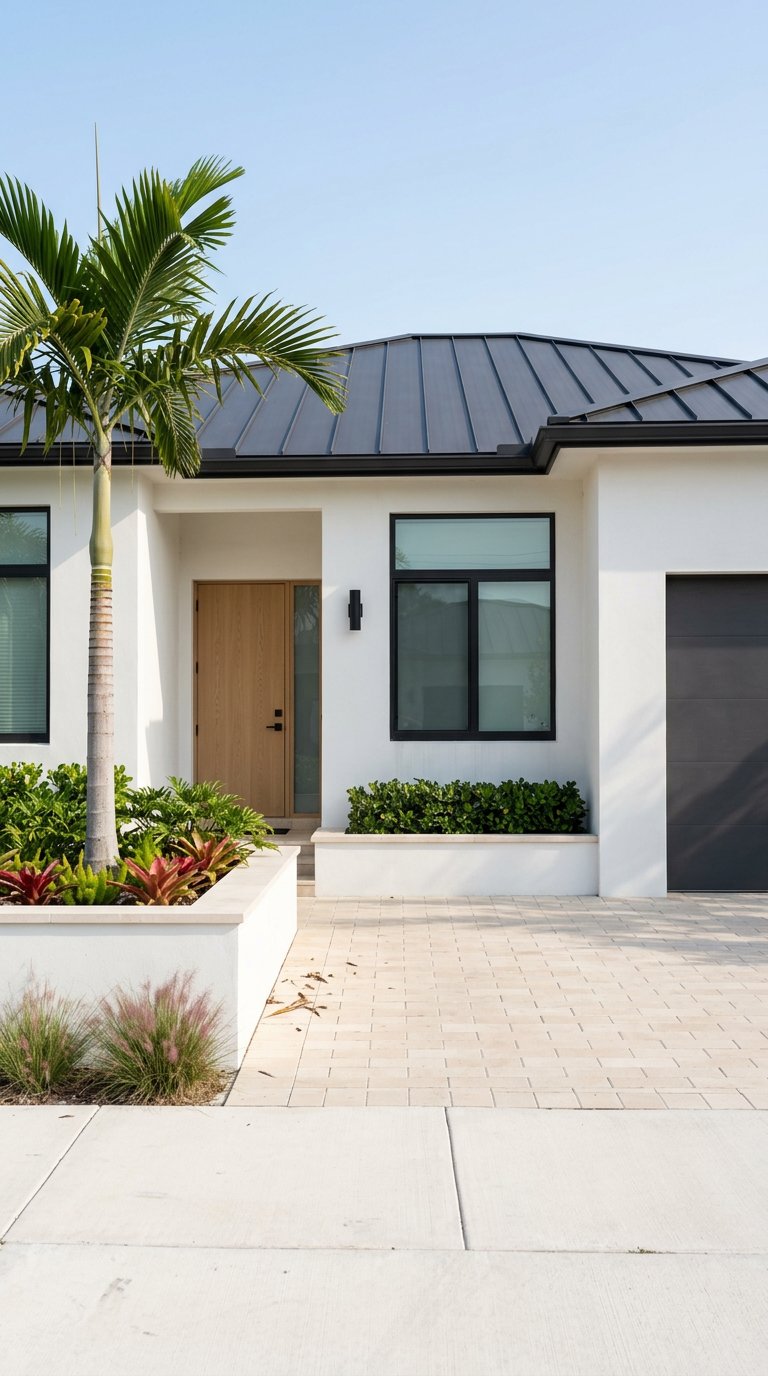
Nearby suburban neighborhoods typically trade walkability for space and privacy. You will find more single-family homes, garages, pools, and gated or deed-restricted communities. Streets are quieter and daily life is more car-oriented. Suburban pockets such as the McGregor corridor, Whiskey Creek, and Cypress Lake offer a range of lot sizes and construction eras, plus convenient access to main arteries toward downtown and the beaches.
Lifestyle and daily rhythm
River District feel
If you like stepping out to dinner, live music, galleries, or monthly art walks, downtown delivers. The historic core features compact blocks, waterfront paths, and a steady slate of cultural programming. For a flavor of the scene and upcoming happenings, browse the official River District events and visitor info. Expect smaller yards, structured parking or garages with assigned spaces, and periodic street closures or crowds during festivals.
Suburban feel
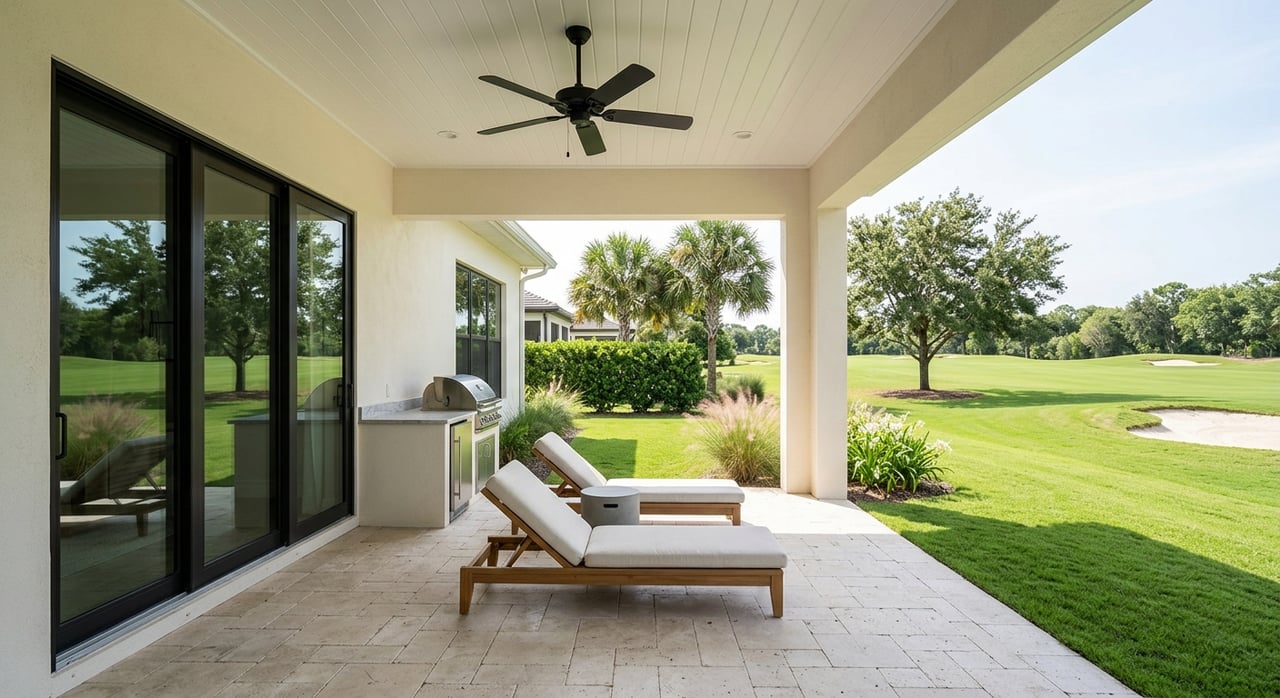
Suburban Fort Myers is about space and home amenities. Many areas feature single-story homes with yards, lanais, and private pools. You will see a mix of established neighborhoods and newer subdivisions, including gated communities with shared amenities. Nights tend to be quieter. Locations along McGregor Boulevard offer an in-between lifestyle near the river and downtown access, while areas like Whiskey Creek and Cypress Lake provide established residential streets and golf or community features.
Housing types and price context
Citywide pricing sits in the low-to-mid $300Ks. Zillow’s Home Value Index reports a typical Fort Myers value near 310,700 dollars as of January 2026. In that same window, a Downtown Fort Myers neighborhood snapshot showed a median sale price around 330,000 dollars. Treat these as orientation points, not hard rules, since medians swing with monthly mix and property type.
What you will find downtown
Inventory in the River District leans toward condos, adaptive-reuse lofts, and high-rise riverfront buildings, plus a smaller pool of compact historic homes. Many condos include HOA fees and building rules that cover maintenance, insurance components, and amenities. In historic zones, exterior changes can be guided by local design standards, so factor that into renovation plans. You can review the area’s planning lens in the Downtown redevelopment overview and cross-check building particulars in each association’s documents.
What you will find in the suburbs
Suburban areas offer a larger supply of single-family homes across price bands, from mid-range houses to high-end riverfront estates. You will also see more new-construction opportunities and deed-restricted or gated communities with shared amenities. If you want a garage-forward lifestyle, a yard or pool, and the option to expand living space, the suburbs typically provide more options.
Commutes, transit, and access
Fort Myers’ mean travel time to work is about 25 minutes, according to U.S. Census QuickFacts. Most residents drive, but living in or near downtown can shorten intra-city trips. If you commute regionwide, suburban locations closer to I-75 or Daniels Parkway can ease highway access.
Public transit is provided by LeeTran, which runs countywide bus service and seasonal trolley routes that serve downtown events. For route maps and general context, see the LeeTran overview. Transit can support select trips, but most suburban errands still require a car.
Beach and airport access are part of the equation too. Typical drives from central Fort Myers to Sanibel or Fort Myers Beach are roughly 20 to 40 minutes depending on destination and traffic. For a sense of distance and timing, this Fort Myers to Sanibel drive guide provides a practical snapshot.
Lifestyle fit checklist
Use this quick filter to see which side feels right:
- Choose downtown if you want frequent restaurants and arts, short on-foot errands, active nightlife, river views, and lower-maintenance condo living. Get a feel for programming and atmosphere through the River District’s visitor site.
- Choose suburbs if you want single-family space, private outdoor areas, quieter nights, a garage-forward lifestyle, and access to newer construction or master-planned communities.
Risk, insurance, and due diligence
Fort Myers and Lee County are coastal and riverine, so flood and wind risk belong in your comparison. FEMA mapping updates and local revisions can change flood-zone designations, which affects insurance requirements and cost. During due diligence, run the exact property address through FEMA and local GIS tools. A zone change from X to AE or VE can materially change premiums. You can start with this overview of Florida flood zones and mapping.
Southwest Florida is in the Atlantic hurricane exposure zone, so buyers often evaluate elevation, first-floor height, and mitigation features. An academic assessment of regional storm hazards underscores why insurance planning and construction details matter; see this recent analysis in Natural Hazards and Earth System Sciences for broader hurricane risk context.
Schools and programs
School assignments and program options vary by address within the School District of Lee County. Downtown addresses can be near arts-oriented options, while suburban addresses may feed into different middle and high schools with distinct programs. Always confirm attendance boundaries and offerings directly with the School District of Lee County.
Safety and neighborhood variation
As in any metro, safety metrics vary by neighborhood and even by block. County-level summaries show some categories above national averages, while tourist or event zones can see different patterns than residential streets. To build a clear picture, review neighborhood-level statistics, talk to local authorities, and visit at varied times. For a starting point, consult Lee County crime data summaries.
How to compare specific addresses
Make a short checklist and use it for every property you tour:
- Flood and elevation
- Look up the exact address in FEMA or local GIS and ask for elevation certificates. Understand how zone changes can affect financing and insurance. Begin with this Florida-focused flood zone primer.
- Schools and programs
- Confirm attendance boundaries and magnet or specialty program availability with the School District of Lee County.
- Commute and errands
- Map your rush-hour routes to work and frequent errands. If transit is part of your plan, review LeeTran’s system context and seasonal trolley notes.
- Building rules and renovations
- For downtown condos, request HOA budgets, reserves, and rules. For historic homes, check design guidelines and approvals referenced in the Downtown redevelopment area.
- Beach and airport access
- If beach time or frequent flights matter, test-drive routes at your typical times. The Fort Myers to Sanibel drive snapshot is a useful reference point.
Work with a local guide
Whether you choose the River District’s walkable energy or the suburbs’ space and privacy, the right advisor helps you compare options address by address. The Pyle Group pairs neighborhood-level insight with data-informed guidance and concierge service across Southwest Florida. With credentialed leadership (CIPS, RSPS, SFR) and experience supporting relocators, second-home buyers, and local sellers, we help you weigh lifestyle, budget, risk, and timing so you can move forward confidently. Ready to explore your fit in Fort Myers? Connect with Donna Pyle to Set Up a Consultation.
FAQs
Is downtown Fort Myers more expensive than the suburbs?
- Not necessarily; recent snapshots show citywide values and downtown medians in a similar mid-300K band, but condo-heavy downtown inventory behaves differently than single-family suburbs, so compare by property type and square footage.
What is the average commute time in Fort Myers?
- The mean travel time to work is about 25 minutes according to U.S. Census QuickFacts, with shorter trips possible if you live near your workplace.
How close are Fort Myers beaches from downtown and suburbs?
- Typical drives to Sanibel or Fort Myers Beach run roughly 20 to 40 minutes depending on traffic and starting point, with some southern corridors offering faster access to the causeway; see this drive-time reference.
Do I need flood insurance if I live near the river?
- Possibly; it depends on your FEMA flood zone and lender requirements, so run an address lookup and consult a licensed insurance agent; this Florida flood zone overview is a good starting point.
What transit options serve downtown Fort Myers?
- LeeTran operates countywide bus routes and seasonal trolleys that connect to downtown events; you can review system context on the LeeTran information page.