Dreaming of trading snow shovels for sunset walks and boat days? If you are considering a full-time move to Marco Island, you are not alone. The island blends a relaxed resort vibe with a steady year-round community, but living here full time is different from visiting for a week. In this guide, you will learn how the seasons shape daily life, what services you can count on, the realities of weather and insurance, and how to choose a home that fits your lifestyle. Let’s dive in.
Marco Island at a glance
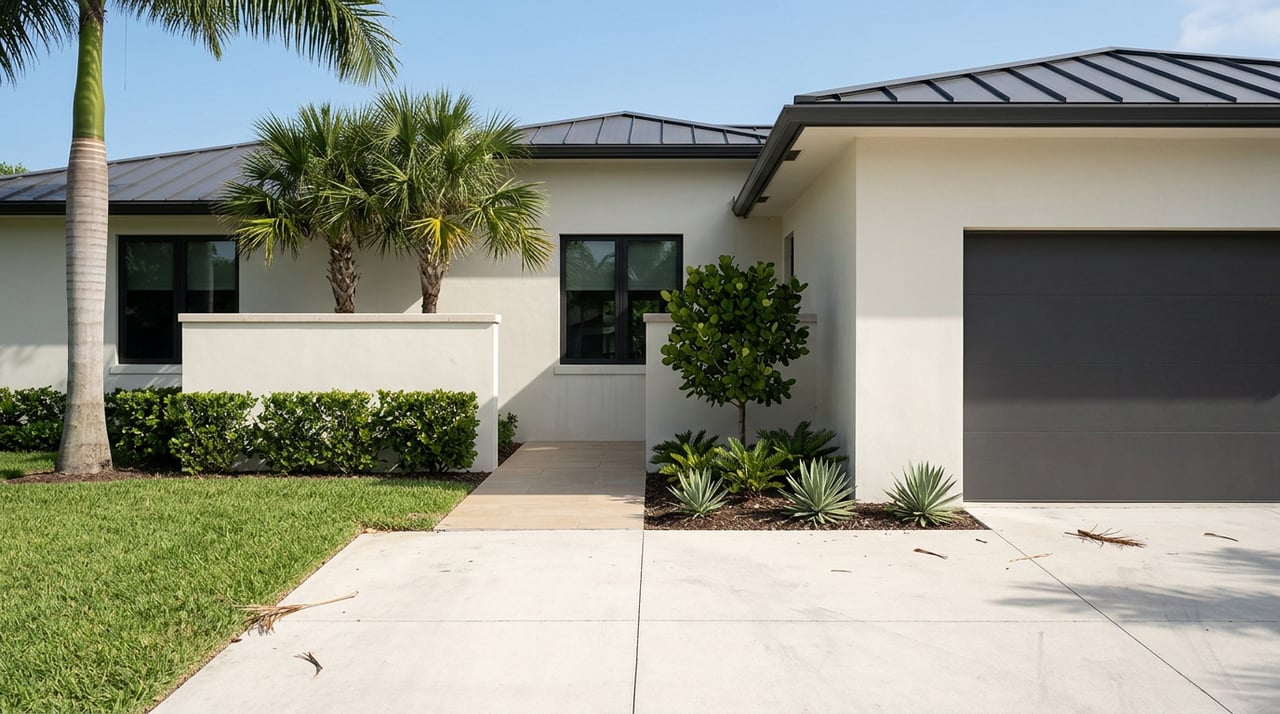
Marco Island is a compact barrier island on Florida’s Gulf Coast. You will see a mix of condominiums, mid- to high-end single-family homes, marinas, and businesses that serve both residents and visitors. The atmosphere feels resort-oriented, yet there is a stable community that calls the island home year round.
The population rhythm changes through the year. Winter brings more seasonal residents and visitors, which means more open restaurants and fuller event calendars. Summer is quieter, hotter, and more humid, and some businesses shorten hours or pause for maintenance.
Year-round rhythm and seasons
- High season: Roughly November through April brings warm, dry weather and plenty of activity. Expect busier restaurants, longer waits, and more traffic near beaches and marinas.
- Low season: Late spring through fall feels calmer. It is hotter and more humid, with frequent afternoon thunderstorms. You may find easier parking and quicker errands.
- Community life: Clubs, volunteer groups, and seasonal events are active, especially in winter. You can find boating, golf, arts, and nature groups throughout the year.
Climate and weather basics
Marco Island has a subtropical to tropical Gulf Coast climate. Summers are warm and humid with regular afternoon storms. Winters are mild and drier, which is why so many people visit during that time.
Hurricane season runs from June through November, with peak activity typically in late summer to early fall. If you live here full time, plan ahead for storms, possible evacuations, and temporary service interruptions.
Flooding and insurance realities
Much of the island lies in FEMA-designated flood zones. Coastal properties can face storm surge risk, especially those in V or VE zones. Before you buy, review the property’s flood zone and elevation and check current FEMA flood maps for the address.
Many owners carry both wind or hurricane coverage and separate flood insurance. If you finance a home in a mapped flood zone, your lender may require flood insurance. Premiums and deductibles can be significant, and features like impact windows or strengthened roofs may help with eligibility and potential discounts.
Longer term, sea-level rise and coastal erosion influence public projects such as beach renourishment and infrastructure planning. Keep these factors in mind if you are thinking about long-term ownership.
Getting around and access
Marco Island connects to the mainland by a limited number of bridges and roads. This creates chokepoints during high season, holiday weekends, and evacuations. Daily life is car-oriented. Biking is possible in some areas, but road designs vary by neighborhood.
For travel, you will likely use Gulf Coast airports on the mainland. Regional hubs include nearby options in Naples and Fort Myers for most commercial flights.
Utilities and connectivity
Electricity is provided by regional utilities, and water and sewer are municipal or county-managed. Some properties may have different setups, so confirm the specifics during due diligence.
Internet options include cable and DSL or cable-based providers, and fiber is expanding but not available everywhere. Service quality can vary by building, especially in older condos. If you work from home, test speeds and reliability at the address you are considering.
Everyday essentials and services
You will find on-island groceries, pharmacies, and hardware or boat supply shops for day-to-day needs. For larger retail, specialty shopping, and many medical specialists, you will drive to nearby mainland cities. Package delivery and mail are standard, but condo associations may manage deliveries differently, such as a concierge desk or mailroom.
Healthcare access includes on-island primary care and urgent care, with major hospital services on the mainland. In an emergency, expect transfers to larger facilities off-island.
Schools and childcare
Public schools are part of the Collier County School District. Elementary options are available on Marco Island. Many middle and high school students commute to the mainland. Private and charter school options are more common in nearby Naples.
Childcare and youth programs exist but are not as extensive as in larger mainland cities. Families often plan for commuting to programs and activities that fit their needs.
Costs, taxes, and fees
Florida does not have a state income tax, which is a draw for many buyers. Property taxes are set by Collier County and vary by property. Check parcel-specific information during your evaluation.
Plan carefully for insurance. Wind or hurricane coverage and flood policies can be a major part of your monthly budget. Premiums and coverage can change, and mitigation features like impact windows or updated roofs can matter.
With many condos and planned communities, association fees are common. These fees can cover amenities, exterior maintenance, reserves, and portions of insurance. Review the budget, reserves, and any past or potential special assessments.
Outdoor life and island culture
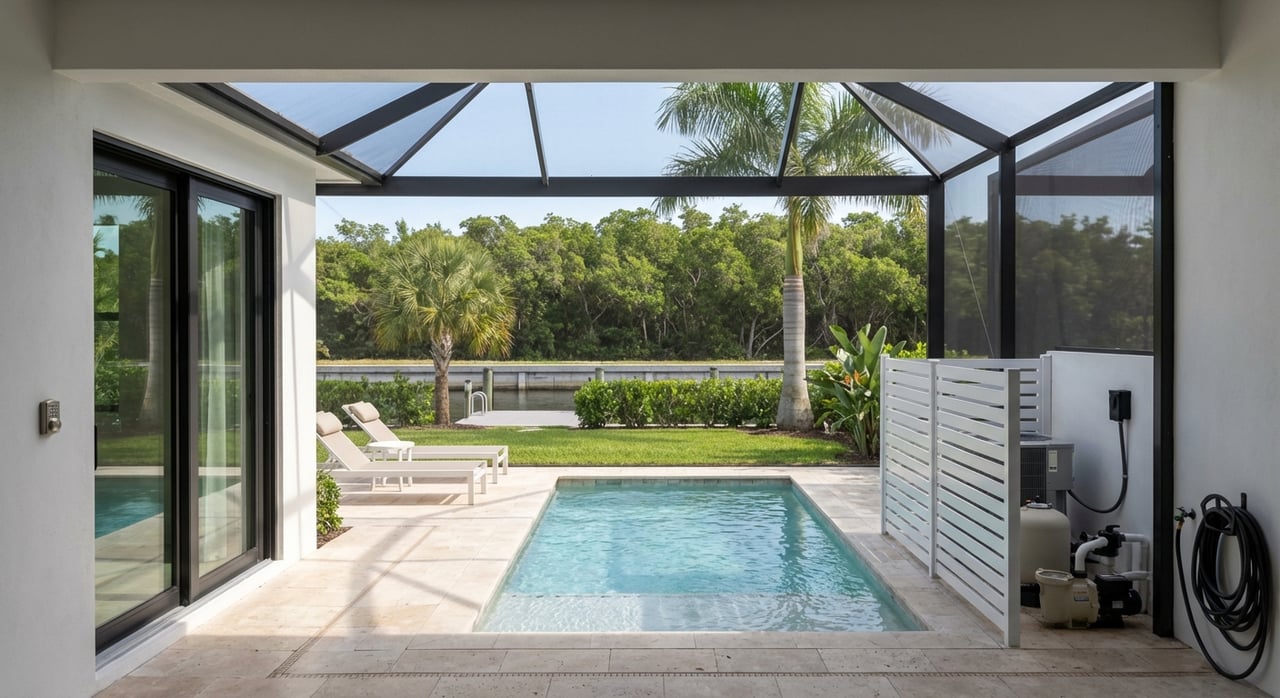
Beaches and waterways define daily life. You can swim, fish, and shell along Gulf beaches, with Tigertail Beach known for shelling and quiet bay areas. Boating is a major draw, with marinas, ramps, and access to the Ten Thousand Islands for inshore and offshore adventures. Nearby reserves offer guided nature programs, birdwatching, and paddling.
Dining ranges from casual seafood spots to higher-end waterfront restaurants. Nightlife is low-key, often centered around live music at restaurants or bars rather than late-night clubs. Community events and festivals cluster in winter, and you will find active boating, golf, garden, arts, and conservation groups.
If you plan to rent out your home, know that local rules and association documents govern short-term rentals. Restrictions vary by building and neighborhood. Always verify regulations and association rules before you buy.
Home types and lifestyle tradeoffs
- Condos: Lower maintenance and amenity-rich, often appealing if you want lock-and-leave living. Review association rules, insurance, reserves, and rental policies closely.
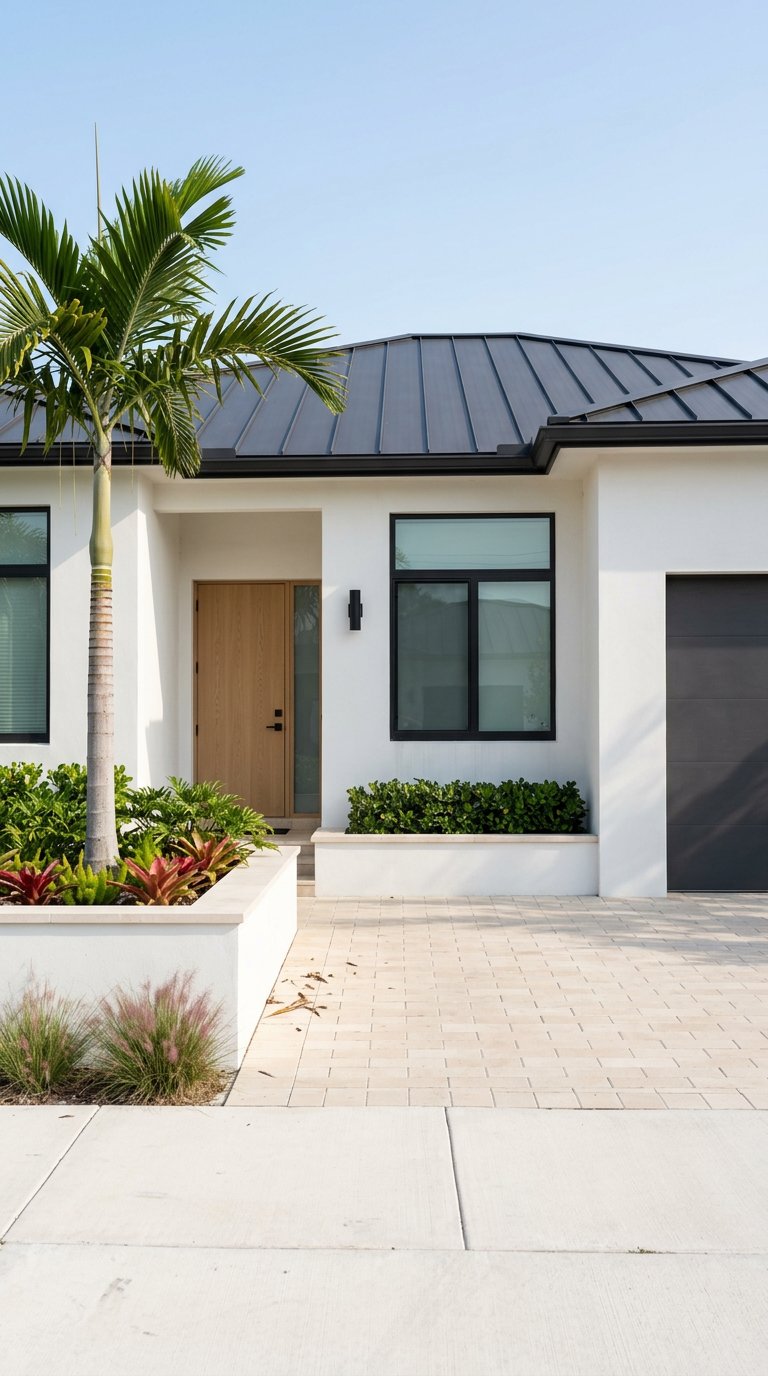
- Single-family homes: More space and privacy, with potentially higher maintenance and insurance costs. Roof age, elevation, and storm protections are key considerations.
- Newer vs. older construction: Newer homes and buildings tend to follow stronger wind-resistant codes. Older properties may need upgrades like impact windows, roof improvements, or shutter systems, which can affect insurance and peace of mind.
Safety, preparedness, and evacuations
Understand your evacuation zone and routes to the mainland. Traffic can be heavy during peak-season evacuations. Many full-time residents keep hurricane supplies and consider backup power solutions. Plan for pets and medications as part of your preparedness checklist.
Buyer checklist for Marco Island
Use this list to focus your search and due diligence:
- Confirm flood zone, elevation, and the property’s location on current FEMA maps.
- Get written estimates for homeowner, wind, and flood insurance for the specific address.
- Review HOA or condo documents for fees, reserve funds, rules, and special assessments.
- Verify internet speed and provider options at the unit or home.
- Map your daily routine: groceries, healthcare, schools, and any frequent mainland stops.
- Visit in both high and low seasons to gauge traffic, noise, and service hours.
- If boating is important, check dock, lift, or marina availability and draft depth.
Is full-time living right for you?
If you love warm winters, a strong boating and beach culture, and a town that blends resort energy with neighborhood routines, Marco Island can be a great fit. To thrive here full time, you should be comfortable planning for storms, budgeting for coastal insurance, and driving to the mainland for some services. With the right home and expectations, you can enjoy a relaxed, outdoor-forward lifestyle all year.
Ready to explore condos, waterfront homes, or new construction that match your needs? Connect with Donna Pyle to map your options, compare neighborhoods, and move forward with confidence.
FAQs
Is Marco Island truly year-round or mostly seasonal?
- It functions year-round, but winter is busier with more visitors and expanded business hours, while summer is quieter with higher heat and humidity.
What should I know about hurricane season on Marco Island?
- Hurricane season runs June through November, so plan for possible evacuations, temporary outages, and storm preparations, including supplies and an evacuation route.
How does commuting to the mainland work from Marco Island?
- You can drive over limited bridges and roads, which can back up during high season or storms; routine commuting is common, but traffic varies by time and season.
Are schools and childcare options available on the island?
- Public elementary options are on-island, with many middle and high school students traveling to mainland campuses; childcare and youth programs are more limited than in larger cities.
What are the biggest cost factors for homeowners on Marco Island?
- Insurance for wind and flood, property taxes, and HOA or condo fees are key budget items, along with maintenance and potential upgrades for storm resilience.
Can I use a Marco Island property for short-term rentals?
- Possibly, but rules vary by city ordinances and association documents, so verify rental policies, minimum stays, and any restrictions before you buy.