Wondering whether a condo or a single-family home fits your Naples lifestyle? You are likely weighing upkeep, insurance, fees, and how often you will be here. This guide gives you a clear, side-by-side way to choose based on maintenance, risk, costs, and rental flexibility in Naples and Collier County. You will also get a practical checklist so you can compare real properties with confidence. Let’s dive in.
Quick decision framework
If you plan to visit seasonally and want convenience, a condo can offer low exterior maintenance, amenity access, and added building security. You accept shared rules, steady monthly fees, and association decision-making. If you want reliable rental income, confirm leasing rules and the association’s financial health first.
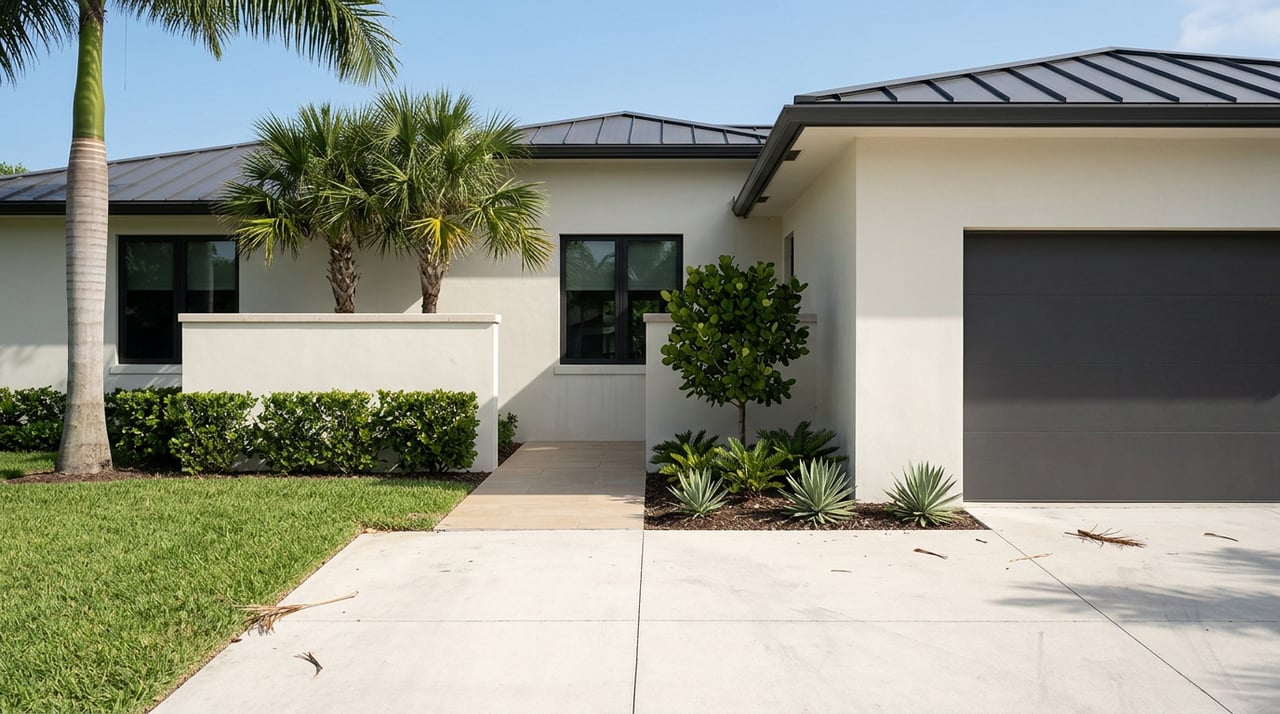
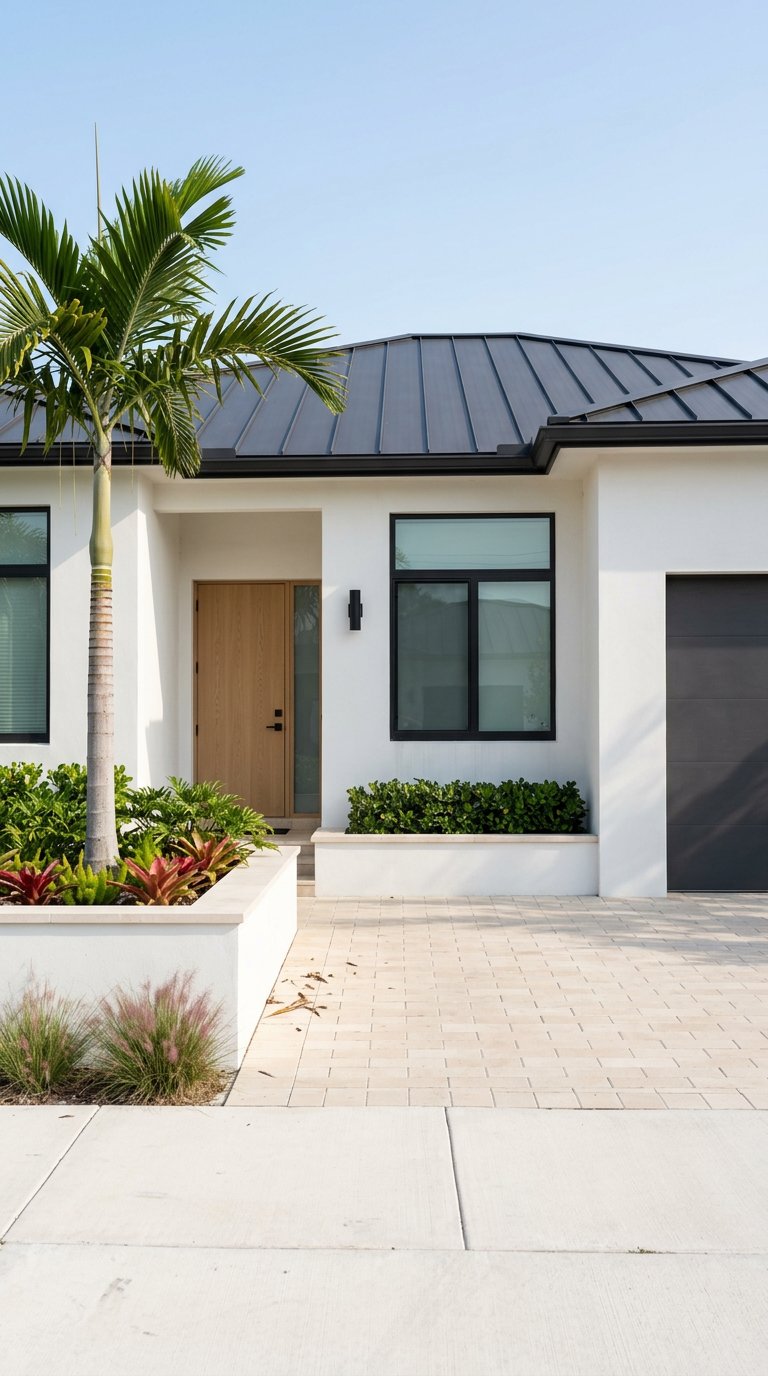
If you want privacy, control over your exterior, and flexibility to modify or rent within local rules, look at single-family homes. Expect to manage your own vendors and budget for variable maintenance and insurance tied to the specific structure and lot.
Ownership and maintenance
What condos cover
In most Naples condominiums, the association maintains the exterior structure for stacked units, common areas, roofs, elevators, landscaping, pools, exterior painting, and often pest control. You typically maintain interior finishes, personal property, and sometimes HVAC and limited exterior items based on how the “unit” is defined in the declaration. Amenities and centralized contracts can simplify your life, especially if you live out of state.
What single-family owners handle
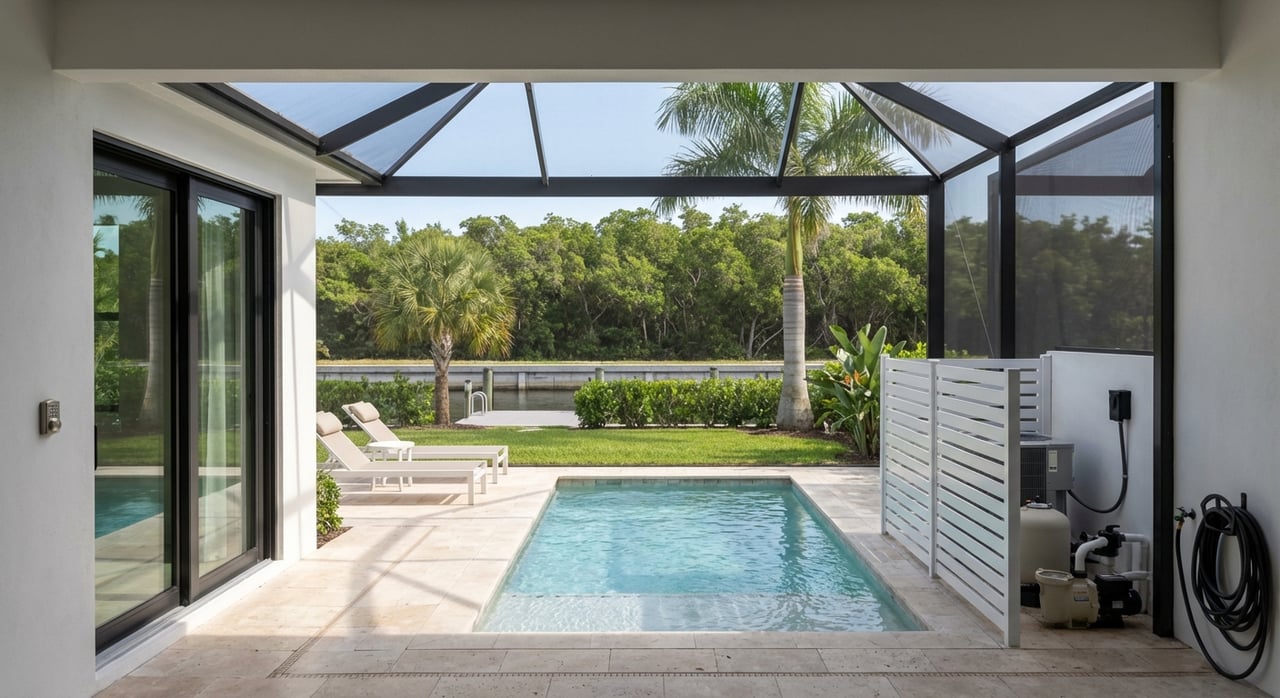
With a single-family home, you are responsible for all interior and exterior upkeep. That includes the roof, landscaping, driveway, pool service, and items like septic or a seawall if applicable. Costs can be irregular but sometimes significant, such as roof replacement or seawall work for waterfront sites.
What this means during storms
Condo associations coordinate common-area repairs and can streamline shared restoration after a storm, though timelines can depend on insurance and contractors. In a single-family home, you control the repair schedule but must source vendors and manage claims directly. Your time, appetite for vendor management, and travel schedules should factor into this choice.
Insurance in Collier County
Policy types at a glance
For single-family homes, you will typically look at HO-3 or HO-5 coverage for the structure, personal property, and liability. Flood insurance is separate. For condominiums, you carry an HO-6 policy for interior finishes, personal property, and liability, while the association holds a master policy for common elements and, depending on the documents, some or all exterior components.
Flood and wind specifics
Many Naples and Collier County neighborhoods carry some level of flood risk, and lenders often require flood insurance in FEMA zones. Coastal properties face higher wind and hurricane exposure, and both individual and association policies may include percentage-based wind deductibles. Condo master policies can have sizable deductibles or coverage gaps that lead to owner assessments, so loss assessment coverage is worth considering for your HO-6 policy.
Steps to compare quotes
- Ask whether the condo’s master policy is bare walls or all-in, and obtain the policy declarations with deductible amounts.
- Request the association’s recent claims history and any hurricane or flood assessment history.
- Get address-specific quotes for HO-3 or HO-5 and separate flood, or HO-6 and flood for condos, ideally with wind mitigation details.
- For condos, ask if the building has elevation certificates or engineering reports that could influence premiums.
Fees, reserves, and rules
What drives HOA/condo fees
Monthly fees reflect building type and size, amenities like pools and fitness centers, staffing, insurance premiums, and reserve funding for major items such as roofs, elevators, seawalls, and storm-related repairs. High-rise buildings often carry higher costs due to mechanical systems and staffing.
How to gauge financial health
Request the budget, reserve study, audited or reviewed financials, recent meeting minutes, insurance declarations, and special assessment history. Red flags include very low reserves, frequent special assessments, ongoing litigation, or repeated fee hikes. A solid reserve study outlines when big-ticket projects are due and whether reserves are adequate.
Rental flexibility in Naples
You must follow both association rules and local government regulations. Many associations limit short-term rentals with minimum lease terms or caps on the number of rentals. Collier County and the City of Naples have their own registration and tax requirements for transient rentals and seasonal stays. Financing can also be affected by project eligibility standards in some condo communities, which can influence your buyer and lender options at resale.
Due diligence checklists
For condos
- Declaration and bylaws, plus the rules on maintenance boundaries and leasing
- Current budget, reserve study, and audited or reviewed financial statements
- Insurance declarations, master policy type, and deductible amounts
- Meeting minutes from the last 12 to 24 months and any special assessments
- Estoppel letter, investor concentration, and any ongoing litigation or projects
For single-family homes
- Seller’s disclosure and maintenance records
- Ages and condition of roof, HVAC, and water heater
- Seawall or dock inspection if waterfront, and any easements
- Elevation certificate if available, and address-specific insurance quotes
For both property types
- Flood zone verification and any lender flood insurance requirements
- Current property tax info and possible homestead eligibility for primary residency
- Local short-term rental registration, taxes, and compliance steps
- Any lender conditions, including condo project approval if applicable
Budget planning
- Condos: plan for steady monthly fees, HO-6 premiums, flood insurance if required, and potential special assessments tied to master policy deductibles or capital projects.
- Single-family: plan for variable maintenance, roof and exterior costs, landscaping and pool service if needed, higher or lower insurance depending on features, and separate flood insurance if required.
- Both: factor in property taxes, wind deductibles, and vendor costs during storm seasons.
Who each option fits
Seasonal or second-home buyer
You may favor a condo for lock-and-leave convenience, coordinated maintenance, and amenities. Confirm rental rules if you plan to lease during peak winter months. Review reserves and master policy details to understand potential assessments.
Year-round resident
A single-family home often works if you want outdoor space, privacy, and long-term control over improvements. You will manage vendors and maintenance directly, which can be a fair trade-off for flexibility and lifestyle fit.
Investor or rental-minded buyer
Start with the association’s leasing rules and any local registration or tax steps. In condos, minimum lease terms can limit short-term rental income. Single-family homes can offer broader rental options subject to local regulations, but be sure to model insurance, flood, and maintenance costs before making an offer.
Final guidance
Condos simplify exterior maintenance and offer amenities, yet they come with recurring fees, shared governance, and potential special assessments. Single-family homes give you control and often more rental flexibility within local rules, but you take on direct maintenance and insurance variability. If you are pursuing rental income or a seasonal setup, confirm association rules and get insurance quotes early so you can compare total cost of ownership.
Ready to compare live options and align the choice to your lifestyle, budget, and intended use? Set up a conversation with Donna Pyle to walk through specific properties, documents, and insurance scenarios before you write an offer.
FAQs
Who pays for roof replacement in Naples condos vs single-family homes?
- In most condos, the association handles roof replacement for stacked buildings as defined in the declaration, while single-family owners pay for their own roofs.
Will I need flood insurance for a Naples property?
- Possibly; many coastal areas have flood risk, and lenders typically require flood insurance in FEMA zones, so verify the property’s flood zone and lender requirements.
Can I do short-term rentals in Naples or Collier County?
- It depends on both association rules and local regulations; many condos set minimum lease terms, and Collier County and the City of Naples have registration and tax requirements for transient rentals.
What does a condo master insurance policy usually cover?
- Coverage varies; obtain the master policy declarations to see what common elements and exterior components are covered and the deductible, and consider loss assessment coverage for gaps.
Are condo fees negotiable when I buy?
- Monthly association fees are set by the community and are not negotiable at sale; you can sometimes request a seller credit, but fees reflect ongoing operating and reserve needs.
How do wind deductibles affect me as a Naples buyer?
- Many Florida policies use percentage-based wind deductibles; associations and homeowners may face assessments or out-of-pocket costs tied to those deductibles after storm events.