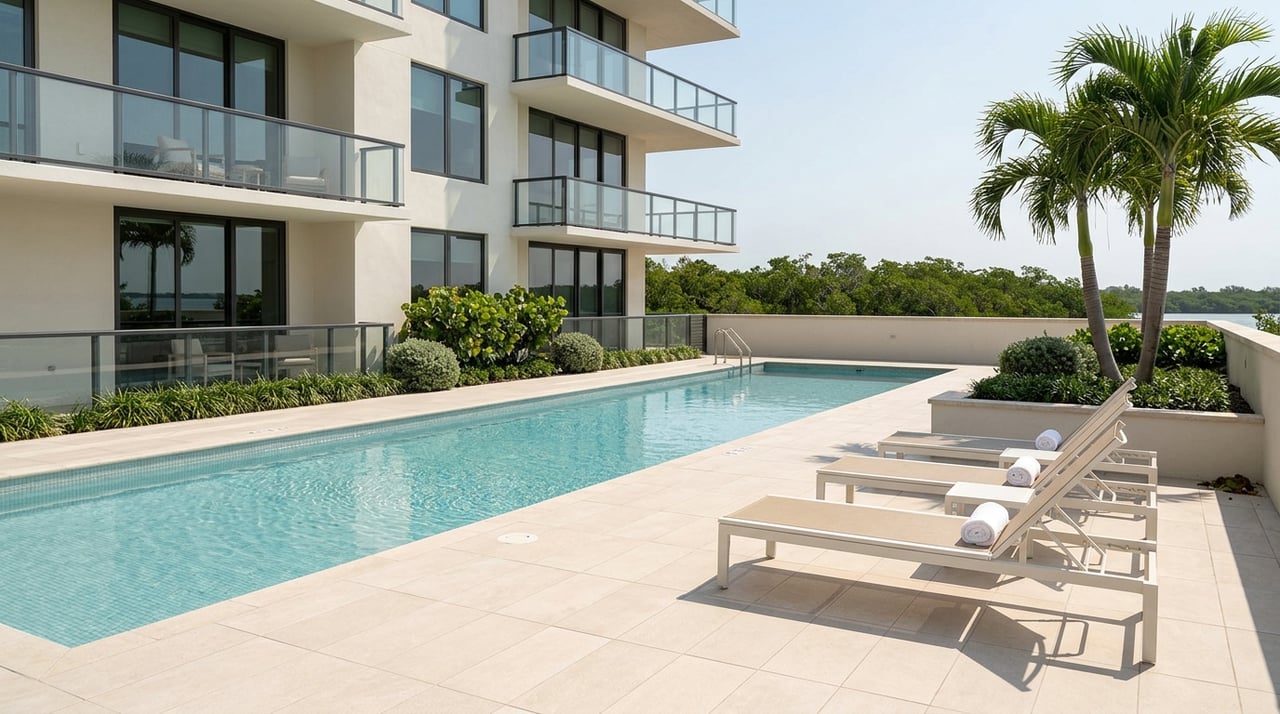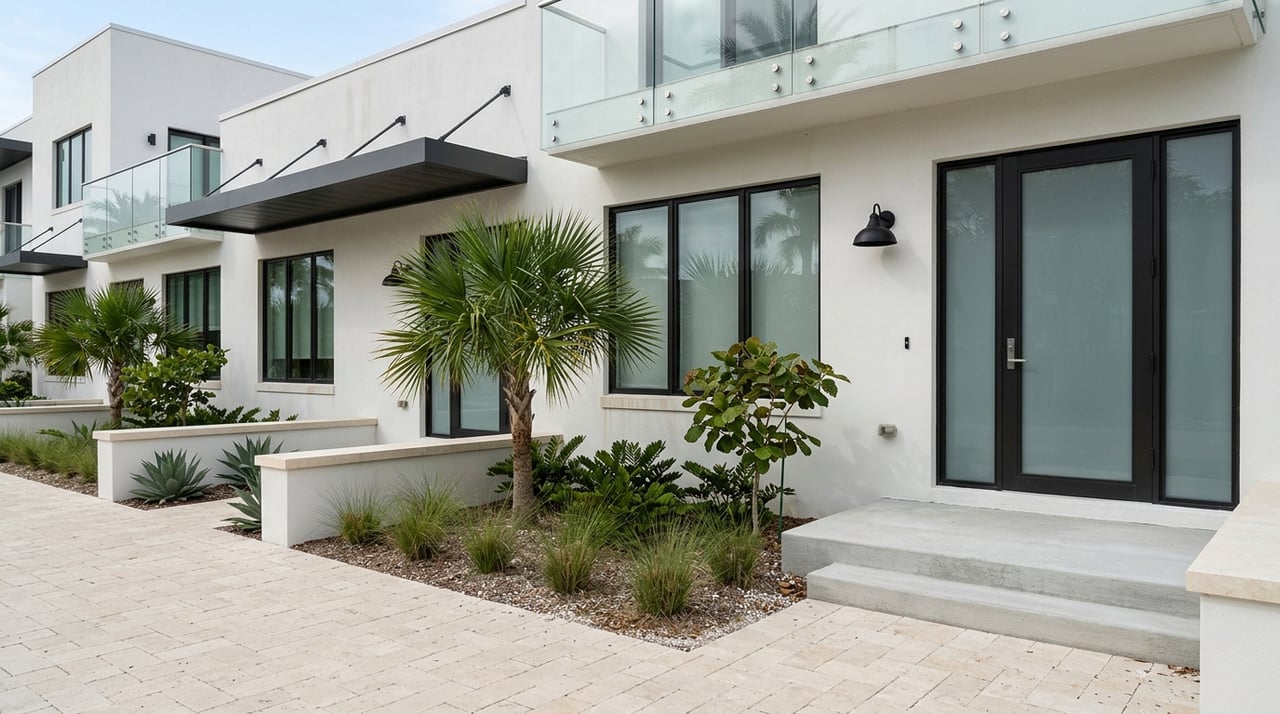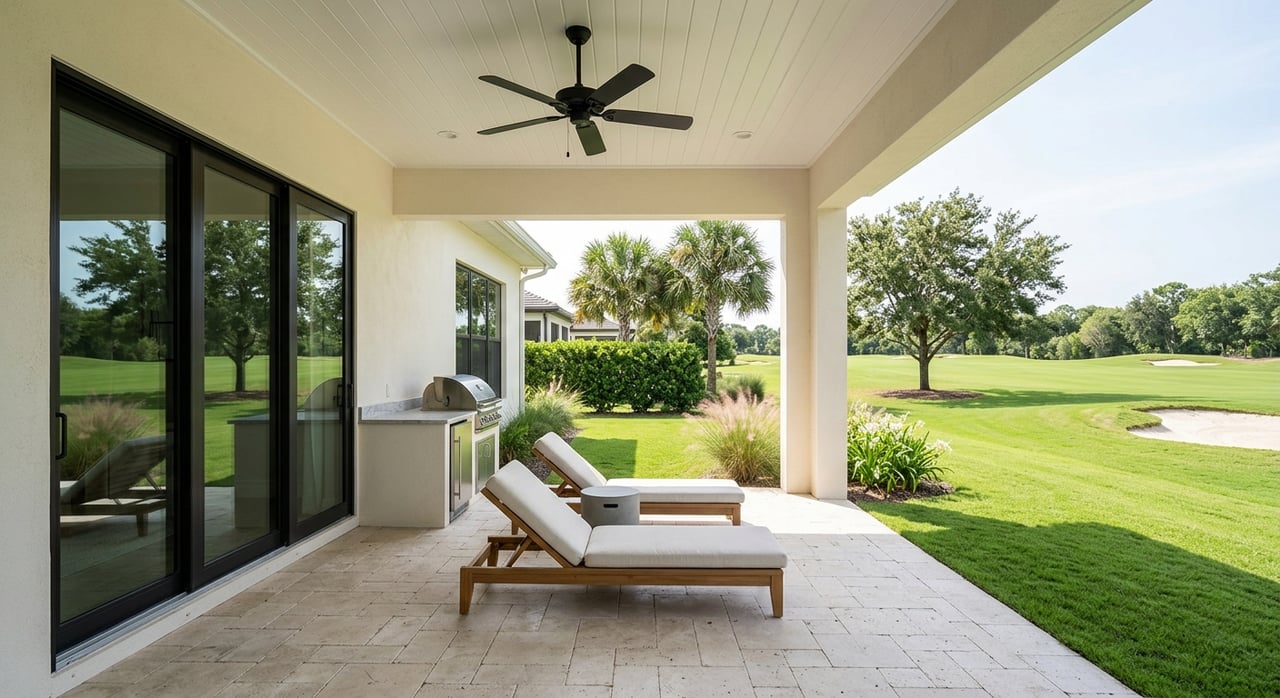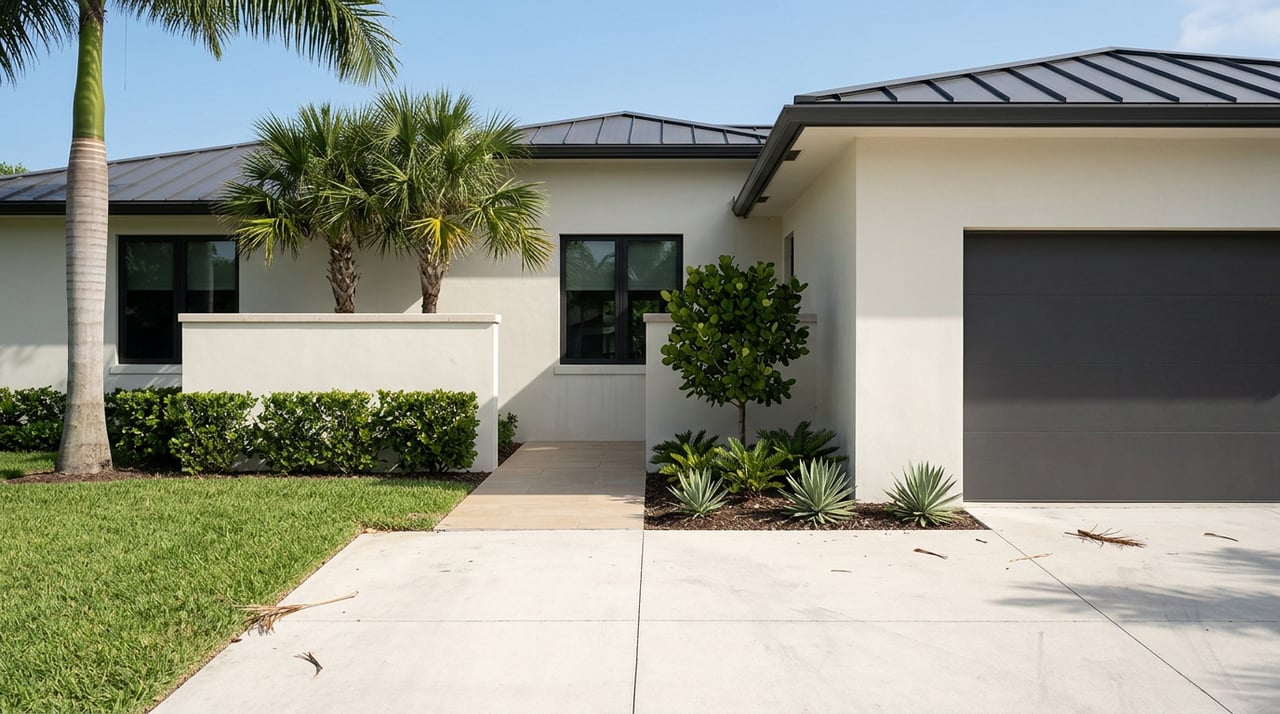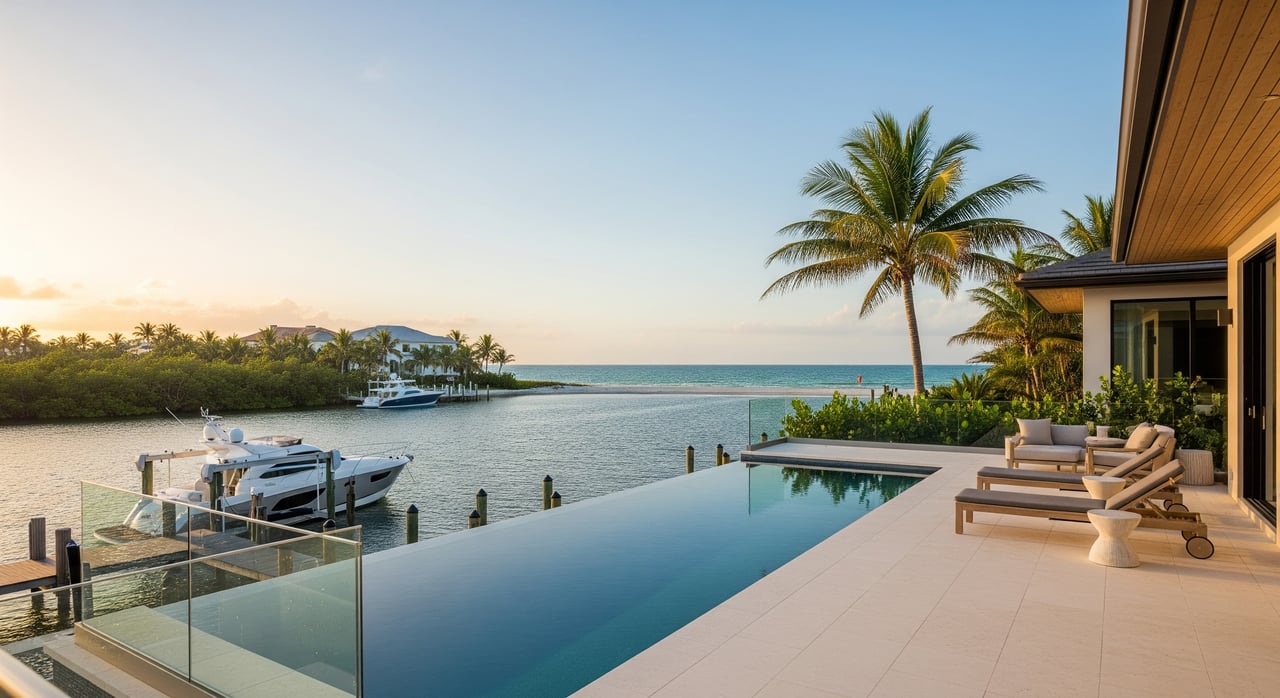
Beach sunsets or your own dock at the back door? If you are torn between bayfront and gulf-front living on Marco Island, you are not alone. Both offer beautiful water, but the day-to-day experience can feel very different. In this guide, you will compare lifestyle, boating, beach use, wildlife, insurance, and resale factors so you can choose with confidence. Let’s dive in.
What bayfront and gulf-front mean here
The island’s two water worlds
Marco Island is a barrier island in Collier County with two distinct waterfronts. The west and south edges face the open Gulf of Mexico with sandy beaches and wide horizons. The east and northeast sides feature calmer bays, canals, and mangrove-lined estuaries that connect to interior waters.
- Gulf-front means you face the open Gulf, with sand, surf, and sunset views.
- Bayfront means you face interior bays or canals, often with calmer water and mangrove scenery.
Access and navigation basics
Doctors Pass is the main natural inlet used to connect Marco Island waters to the Gulf for boating and fishing access. Public amenities include a municipal marina and boat ramps, and you can confirm exact proximity and routes from any address you are considering. If you plan to run offshore, review local navigation charts for channel depths and access to marinas that fit your boat.
Lifestyle tradeoffs you will feel every day
Views and natural light
If you crave big-water horizons and nightly sunsets, gulf-front typically delivers that drama. You get open sky, beach, and wave views right outside your window. If you prefer quieter, more intimate scenery with mangrove islands and frequent bird activity, bayfront can feel soothing and private. Many bayfront homes also capture soft morning light and sheltered water vistas.
Beach time and swimming
Gulf-front living is about direct sand access, swimming, strolling, and shelling. Popular access points, including Tigertail Beach and South Marco Beach, can attract crowds in peak season. Bayfront properties usually do not have true swimming beaches. Water is often shallower and warmer, which is great for launching kayaks and paddleboards, but the shoreline can be muddy or grassy rather than sandy.
Boating and fishing habits
If your top priority is everyday boating in protected water, bayfront often wins. Many bayfront homes and condos include private docks, lifts, and easy access to back-bay channels. That setup is ideal for inshore fishing, calm-water cruising, and exploring the mangrove islands and the broader Ten Thousand Islands area.
Gulf-front homes can offer quick access to open water, but not all beachfront properties support private deepwater docks due to wave action and beach dynamics. For offshore runs, you may rely on a nearby marina or protected harbor for slips and storage. The right choice depends on your boat size, draft, and exact location, so verify dock capacity, channel depths, and permitting before you commit.
Wildlife, lighting, and seasonal rules
Bayfront areas border mangroves and estuarine habitat, which draw birds, manatees, and juvenile fish. It is great for nature watching from your lanai or dock. Gulf-front beaches support nesting sea turtles and shorebirds. During nesting season, local programs may impose lighting and protection measures to reduce disturbance. Along bayfronts, mangrove and wetland protections can affect how and where you place docks or expand structures. Plan around these environmental rules early in your search.
Noise, crowds, and privacy
Gulf-front near popular public access points tends to be busier in high season. Beachgoers, sunset visitors, and activity around high-amenity condo buildings can add energy and foot traffic. Bayfront neighborhoods often feel more residential and relaxed, with boat traffic replacing beach crowds. Weekends and holidays bring more vessels on the water, but evenings are typically calmer than the beachfront scene.
Practical factors that affect ownership
Flood zones and insurance
Marco Island is low-lying, so both bayfront and gulf-front properties can be in higher-risk flood zones. Flood insurance costs vary by exact elevation, construction, and claims history. Before you write an offer, get the FEMA flood zone for the specific address, request any available elevation certificate, and obtain real quotes for both homeowner and flood insurance. Prices and deductibles can differ more than you might expect from one property to the next.
Storm exposure and building standards
Gulf-front homes face greater wave energy and potential beach erosion during storms, which influences construction choices and maintenance. Bayfront homes are more sheltered from surf but still face storm surge and wind. Seawalls and dock structures on both sides need inspection and, over time, repair or replacement. New builds and remodels must meet Florida building codes and Collier County requirements for elevation and coastal work.
Docks, seawalls, and permits
Many bayfront buyers prioritize a private dock and lift. Any new dock, repair, or seawall work requires permits, and projects near wetlands or in tidal waters can add steps to the process. On the Gulf side, shoreline stabilization and beachfront changes may be subject to strict coastal management rules, and some forms of beach hardening are limited. Permitting and processing times can affect your timeline, so engage early if you plan upgrades.
Condos, HOAs, and rentals
Condos on both sides can have rules for dock use, boat storage, rentals, and noise. Gulf-front buildings often see more visitor traffic and may have established short-term rental patterns, while bayfront communities can feel more residential. Marco Island and Collier County have local rules that affect rental activity. If rental income matters to you, verify HOA rules, minimum stays, application timing, and tax obligations before closing.
Market dynamics and what drives value
Typical property types you will see
- Gulf-front: Beachfront single-family homes with direct sand access, plus mid- to high-rise condos with amenities such as pools and beach walkovers.
- Bayfront: Single-family homes with private docks and deeper lots, along with low- to mid-rise condos that may offer shared slips. Some estates accommodate larger boats and lifts.
Pricing and decision drivers
Beachfront lifestyle branding, horizons, and sunset views often command a premium, though actual price differences depend on building age, lot size, condition, amenities, and location. Bayfront properties can deliver strong functional value for boaters at the same or lower price than certain beachfront options, though premium bayfront neighborhoods exist as well. Key value drivers to compare across listings include lot size, presence and condition of dock and lift, channel depth, proximity to Doctors Pass, elevation and flood zone, seawall age, condo assessments, and rental history.
Resale and rental appeal
Gulf-front homes and condos tend to have broad lifestyle appeal for buyers who want a walk-out beach experience, which can support resale demand and, where allowed, higher short-term rental rates. Bayfront properties attract boaters, anglers, and calm-water explorers, often drawing steady demand from second-home buyers. If you are investing, base rental projections on current local data and the specific HOA and municipal rules for the address.
How to choose: a quick matching guide
- If you prioritize direct sandy swimming, shelling, and broad sunset views, choose gulf-front.
- If you want calm-water boating, a private dock, and wildlife watching, choose bayfront.
- For maximum privacy and a quieter residential feel, bayfront often fits better.
- For dramatic ocean vistas and a walkable beach lifestyle, gulf-front often wins.
- For quickest access to estuaries and the Ten Thousand Islands by kayak or skiff, choose bayfront.
- For offshore runs in a larger boat, either can work. Verify docks, slips, channel depths, and your route to the Gulf.
- If you hope for lower maintenance, remember each side has its own needs. Beachfront faces erosion and dune care; bayfront requires dock and seawall upkeep.
Before you write an offer: your due diligence list
- Get the FEMA flood zone and any available elevation certificate for the address.
- Order a recent survey and professional seawall and dock inspection.
- Review condo or HOA documents, including rental rules, assessments, and dock policies.
- Speak with a local marina or the county about channel depths and the property’s permit history.
- Obtain homeowner and flood insurance quotes for the specific property.
- Check environmental restrictions, including sea turtle lighting and mangrove buffers.
- Review the latest neighborhood comparables on both sides of the island through the MLS.
Work with a local guide who knows both coasts
Choosing between bayfront and gulf-front is about your daily rhythm on the water, not just the view from the balcony. A knowledgeable local advisor can help you weigh channel depths against sunset angles, HOA rules against rental goals, and flood risk against renovation plans. If you want a clear, data-informed path to the right waterfront, connect with Donna Pyle to Set Up a Consultation.
FAQs
What is the difference between bayfront and gulf-front on Marco Island?
- Bayfront faces interior bays or canals with calmer waters and dock potential, while gulf-front faces the open Gulf with sandy beaches, surf, and wide sunset views.
How does boating access compare for bayfront vs gulf-front homes?
- Bayfront often offers private docks and easy protected-water access, while gulf-front may require marina storage or careful evaluation of dock feasibility and your route to the Gulf.
Are flood insurance costs different for bayfront and gulf-front properties?
- Costs vary address by address based on flood zone, elevation, and construction, so obtain property-specific quotes and review any elevation certificate before you buy.
What wildlife and environmental rules should buyers know about?
- Bayfront areas near mangroves and wetlands have protections that affect docks, and gulf-front beaches have sea turtle nesting rules that can include lighting restrictions.
Do gulf-front condos allow short-term rentals more often than bayfront?
- Many gulf-front buildings see strong visitor demand, but rental policies vary by HOA and local rules, so verify minimum stays, approvals, and taxes for each property.
Will a bayfront home be quieter than a gulf-front home in season?
- Bayfront neighborhoods are typically more residential with boat traffic instead of beach crowds, while gulf-front near public access points can be busier during peak season.