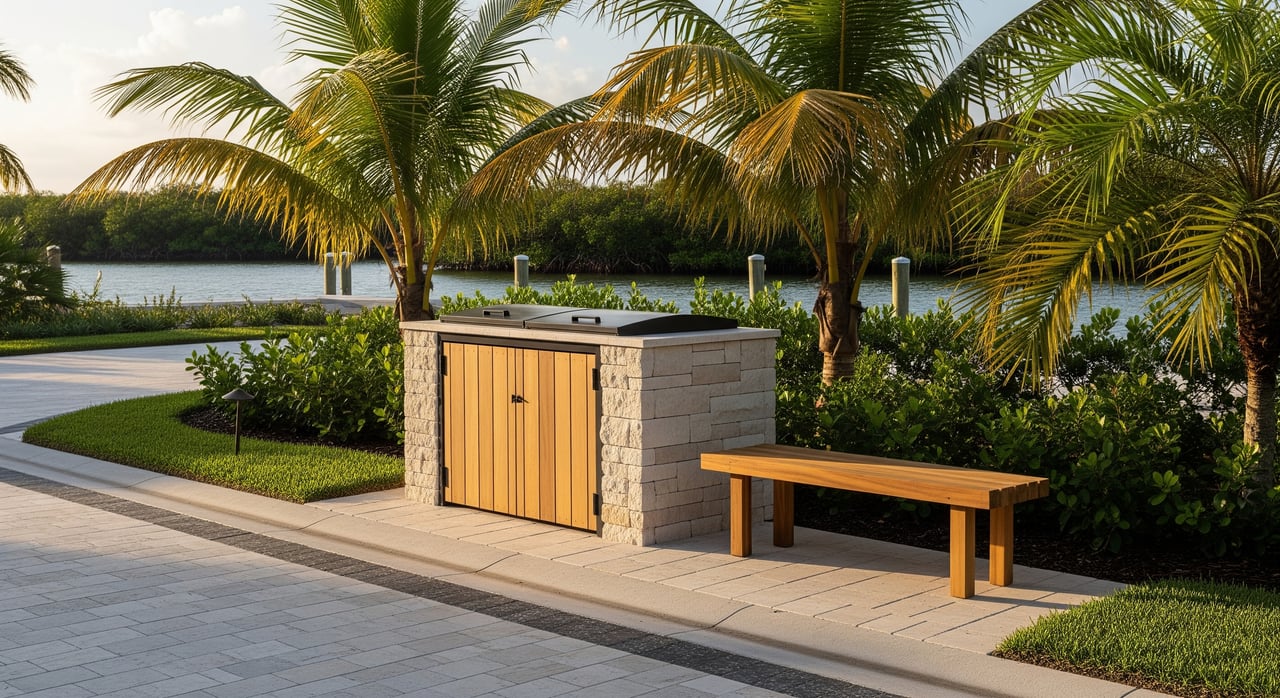
New to Marco Island and trying to figure out what goes where, and when? Between curbside rules, bulk items, and post-storm debris, it can feel like a lot. You just want reliable pickup and to avoid fines or missed service. This guide walks you through the essentials for Marco Island, from weekly trash and recycling to appliances, renovation debris, and hurricane cleanup. Let’s dive in.
Who handles service and contacts
Solid waste and recycling on Marco Island is administered by Collier County Solid & Hazardous Waste. The City of Marco Island also shares local guidance for island-specific issues, such as right-of-way and seasonal notices. After storms, Collier County Emergency Management provides debris updates and temporary procedures.
Here is how to get help quickly:
- Collier County Solid Waste & Recycling: Start here for pickup-day lookups, recycling rules, bulk requests, household hazardous waste and transfer station information.
- City of Marco Island Public Works: Check for island notices, right-of-way reminders, and any city-specific updates.
- Collier County Emergency Management: Use after storms for debris guidance, hotlines, and schedule updates.
Tip: Phone numbers, forms, and schedules can change, especially after storms or staffing updates. Confirm details on official county and city pages before setting items at the curb.
Your curbside schedule
Collier County provides an online collection calendar by address, along with holiday schedules and service alerts. New homeowners should look up their pickup day, then set a calendar reminder.
- Set carts out by 6:00 a.m. on collection day. Times can vary by route.
- Holiday weeks may shift pickup by one day. Always verify with the county calendar.
- After major storms, regular collection may be suspended or modified.
Cart placement and spacing
Proper placement helps crews service your home without delays.
- Place carts at the curb or your designated pickup point with wheels toward your home and the handle away from the street.
- Keep at least 3 feet of clear space around each cart and away from mailboxes, vehicles, and other obstacles.
- Do not block sidewalks, driveways, or roadways. Trim overhanging vegetation as needed.
- Close lids completely. Loose or overflowing trash may be left behind.
Recycling basics
Collier County uses single-stream recycling in many areas, which means you place accepted recyclables together in one cart. To avoid contamination:
- Keep recyclables clean and dry. Food, liquids, and non-recyclables can cause a full cart to be rejected.
- Follow county lists for what is accepted. Paper, cardboard, certain plastics, metals, and glass are commonly included. Items like plastic bags, hoses, greasy pizza boxes, and food waste are not accepted in recycling carts.
What not to put at the curb
Some materials are not accepted in regular curbside service:
- Household hazardous waste, including paint, solvents, pesticides, pool chemicals, fluorescent bulbs, and certain batteries.
- Electronics that require special e-waste handling.
- Tires, auto parts, and large construction or demolition debris.
Use Collier County’s HHW program, e-waste events, or transfer stations for these items.
Bulk items and appliances
Bulk collection is handled differently than regular trash. Before you set out a sofa, mattress, or other large item, check current county procedures.
How bulk pickup works
- Many areas require an appointment for bulk items through the county or an online request form, while some have a designated bulk day. Verify what applies to your address.
- Separate metal items, electronics, and appliances from other bulk to ensure proper handling.
- Large amounts of construction or renovation debris often are not accepted curbside. Plan to use a licensed hauler or a county transfer station.
Appliances with refrigerants
Refrigerators, freezers, AC units, and similar appliances require special handling so refrigerants can be recovered properly. You may need to schedule a specific appliance pickup or take these items to a transfer station that accepts them. Follow county instructions to avoid rejected set-outs.
Costs and limits
Some counties offer a limited number of free bulk pickups per household and charge for additional or specialized items. Policies can change, so confirm current limits and any fees with Collier County before setting items out.
Yard waste on the island
Yard waste is usually collected separately from trash and recycling. Follow county sizing and bundling rules to keep service on track.
- Bundle limbs and branches as instructed by the county and keep within diameter and length limits where applicable.
- Keep palm fronds and other vegetative debris contained and easy to lift.
- Do not mix yard waste with household trash or recycling.
If you have large volumes after landscape work, consider hiring a licensed hauler or taking material to a county facility, if permitted.
Hazardous waste, electronics and drop-offs
Household hazardous waste and electronics require special handling for safety and environmental protection.
- Household hazardous waste: Take paints, solvents, automotive fluids, pesticides, pool chemicals, fluorescent bulbs, and certain batteries to Collier County’s HHW program or designated events. Do not place these items at the curb.
- Electronics: Most e-waste is prohibited from curbside carts. Use county drop-off events or designated facilities.
- Transfer stations: Collier County operates stations where residents can drop off materials that are not accepted at the curb. Fees may apply for certain loads.
Confirm hours, accepted materials, and fees before making a trip.
After a storm or hurricane
After a major storm, the county may shift from regular service to emergency debris collection. Crews prioritize public safety routes first, then neighborhoods.
Separate debris by type
To keep collection moving and support federal reimbursement, follow posted county guidance and separate debris into clear piles:
- Vegetative yard waste: tree limbs, branches, palm fronds
- Construction and demolition debris: roofing, drywall, flooring
- Appliances and metals: refrigerators, AC units, water heaters
- Household hazardous waste: chemicals, paints, fuels
Do not mix hazardous materials with vegetative debris. Do not place debris in the roadway or block access. Large stumps, root balls, and heavy construction debris may require contractor removal or disposal at a county facility.
Stay informed
Collier County Emergency Management shares debris pickup schedules, staging areas, and deadlines. FEMA debris-management protocols emphasize proper separation and documentation, which helps the county recover costs and complete cleanup faster. Follow county announcements for the latest instructions.
Avoid fines and missed pickups
Improper set-outs can lead to refused collection or notices. To keep service consistent:
- Follow cart placement rules and keep 3 feet of clearance.
- Remove carts from the curb after collection.
- Do not overfill or leave loose trash outside the cart.
- Do not place prohibited items at the curb.
- For bulk, schedule pickup if required and separate appliance, metal, and e-waste items as directed.
Enforcement and penalties are set by Collier County and the City of Marco Island. When in doubt, check the county or city website before you set items out.
Homeowner checklist
- Register or confirm your address with Collier County to receive collection alerts.
- Look up your pickup day and holiday schedule and set reminders.
- Place carts by 6:00 a.m. with 3 feet of clearance on all sides.
- Close lids and bag loose trash to prevent wind scatter.
- Schedule bulk and appliance pickups as required.
- Keep e-waste and hazardous items out of curbside carts.
- After storms, separate debris by type and follow county instructions.
- Keep a record of service requests and work orders.
Need a local hand?
If you are settling into a new Marco Island home, we can help you get oriented to neighborhood logistics, from HOA nuances to move-in timelines. Ready to buy, sell, or plan your next move on the island? Set up a quick consultation with The Pyle Group. The Pyle Group
FAQs
How do I find my Marco Island pickup day?
- Use Collier County’s collection schedule lookup by address or call county customer service to confirm your day and any holiday changes.
What counts as a bulk item in Collier County?
- Furniture, mattresses, and large household items are typical bulk. Many addresses require a scheduled appointment or a designated bulk day. Check current county rules before setting out items.
How should I handle refrigerators or AC units?
- Appliances with refrigerants need special handling. Schedule a county appliance pickup if available, or take them to a designated facility that accepts appliances so refrigerants are recovered properly.
What should I do with paint, chemicals, or batteries?
- Do not set them at the curb. Use Collier County’s household hazardous waste program or scheduled drop-off events for safe disposal.
What are the rules for hurricane debris on Marco Island?
- Separate vegetative debris from construction materials, metals/appliances, and hazardous waste. Do not block roadways. Follow county emergency announcements for pickup schedules and staging areas.